Outdoor reading
Is the sensor measuring outdoor conditions, or getting warmed by the sun?
Heat pump controls
I start at 17°C. Your house gets the final say.
Published
I saw a Facebook question about the Vaillant outdoor temperature switch-off setting. Replies included 12°C, 16°C, 18°C and 20°C. We haven't agreed on the temperature inside the house yet, never mind outside.
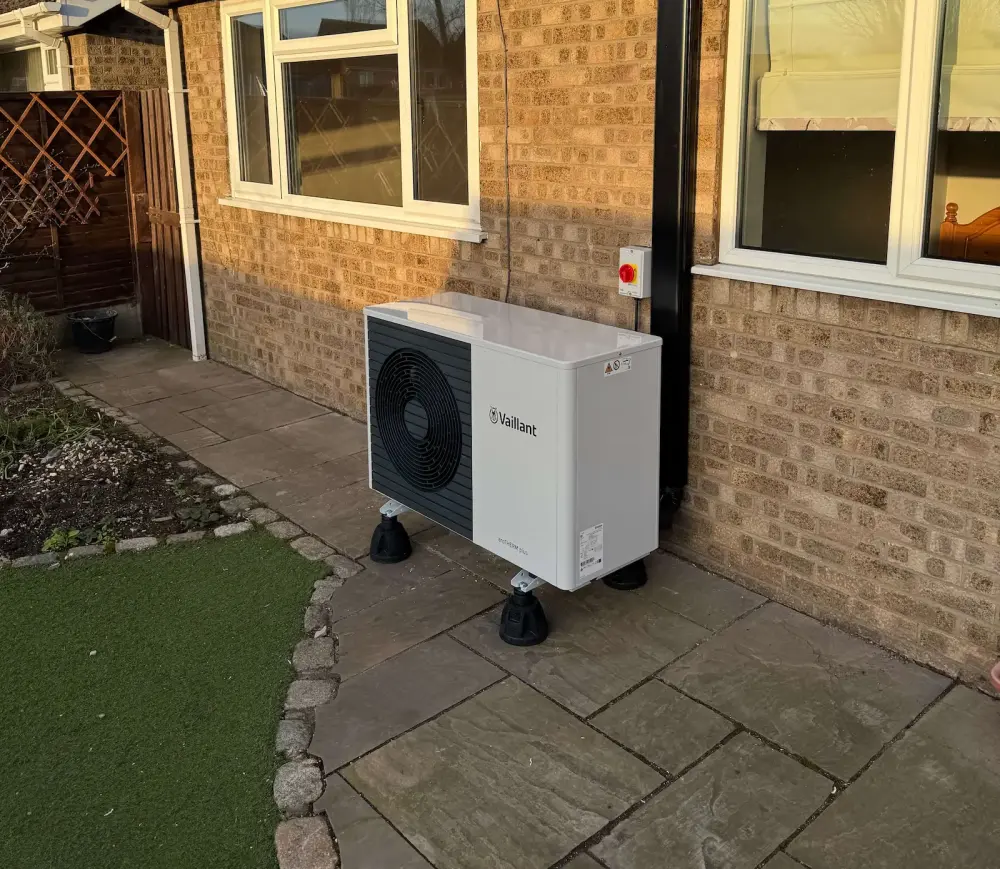
Those numbers could all suit the homes they came from. Before choosing yours, check the outdoor sensor: ideally it belongs on a north-facing wall, away from direct sunshine and other heat sources, at the height specified for that sensor and building.
With a sensible outdoor temperature reading, my starting point is 17°C. In autumn and spring, adjust it by 1°C and give it two days before judging the result. Raise it if heating stops while the house still needs warmth. Try lowering it if heating stays enabled in mild weather when it isn't needed.
This is how I start tuning a home. It isn't a universal Vaillant recommendation, and a comfortable house doesn't need changing just because someone else uses a different number.
Is the sensor measuring outdoor conditions, or getting warmed by the sun?
Does the house need heat, or is sunshine already warming the rooms?
Is the heat pump supplying more heat than the rooms need?
The OT switch-off threshold is the outdoor temperature above which the controller stops space heating. Below it, heating is allowed if the other controls call for it. It doesn't set the temperature inside your home, and it doesn't set the hot-water cylinder temperature.
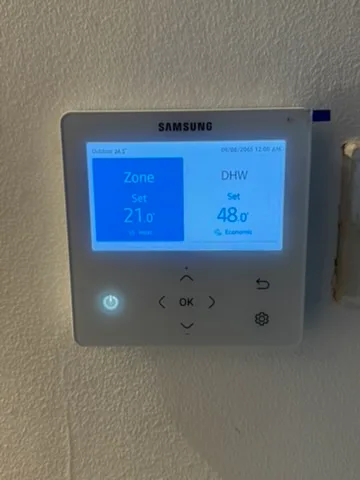
That explains why turning up the room target doesn't always start the heating. If the outdoor reading is above the threshold, the system can still show No heating demand.
| Setting | What it changes |
|---|---|
| OT switch-off threshold | Whether the outdoor temperature permits space heating. |
| Room target | The indoor comfort temperature requested through the controls. |
| Heating curve | The target heating-water temperature as outdoor conditions change. |
These settings interact, but changing one doesn't automatically solve a problem with another.
Morning sunshine can heat a sensor while the house is still cold. It could be 10°C outdoors, but the reading is high enough to stop the heating. A sensor on another wall could have the same problem later in the afternoon.
Look at when the discomfort happens and when sunlight reaches the sensor. Compare the displayed temperature with a reliable thermometer in a shaded, ventilated position. A weather app is a useful rough comparison, but it isn't measuring the air beside your house.
North-facing is the usual starting point. Terraces, angled buildings and access can make positioning less straightforward. The installer also needs to avoid heat from openings, unsuitable recesses and positions that don't represent outdoor conditions. Vaillant's outdoor sensor guidance explains these siting considerations.
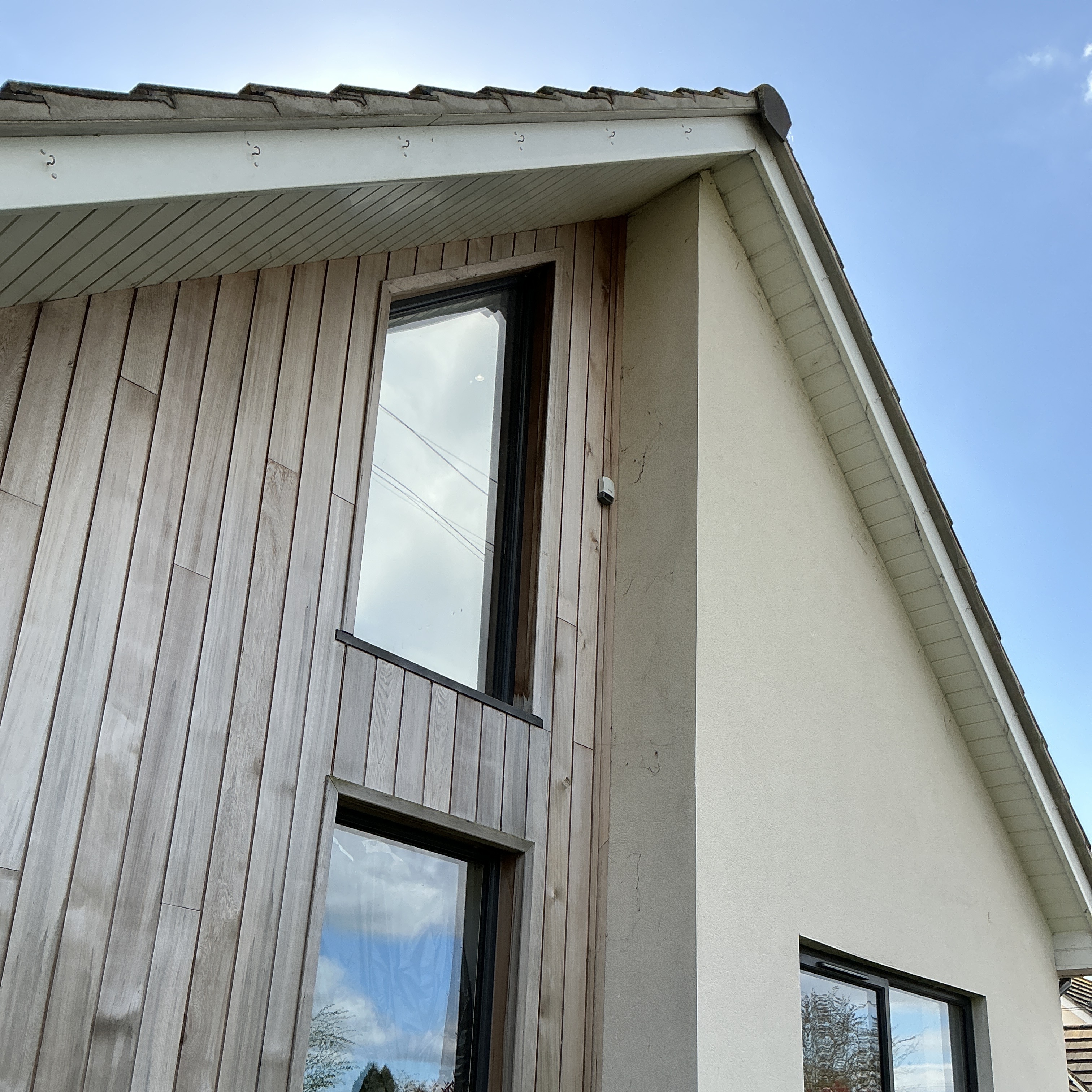
If sunshine is distorting the reading, ask your installer to move it to a suitable position. Raising the switch-off threshold can help temporarily while that is arranged, but the inaccurate reading still affects weather compensation.
Don't change the sensor's temperature offset to hide sunshine warming it. A fixed correction won't follow the sun appearing and disappearing. This is a positioning problem first.
Photograph or write down the original value first. On the systems we hand over, the app gives a clear view of the heating-curve settings. Change only the outdoor switch-off threshold for this test; leave the curve and minimum flow temperature alone.
The sensoCOMFORT route is in the installer menu. If your installer hasn't shown you this setting, or your screen doesn't match, ask them to guide you through it. Don't change the system configuration to make a missing option appear.
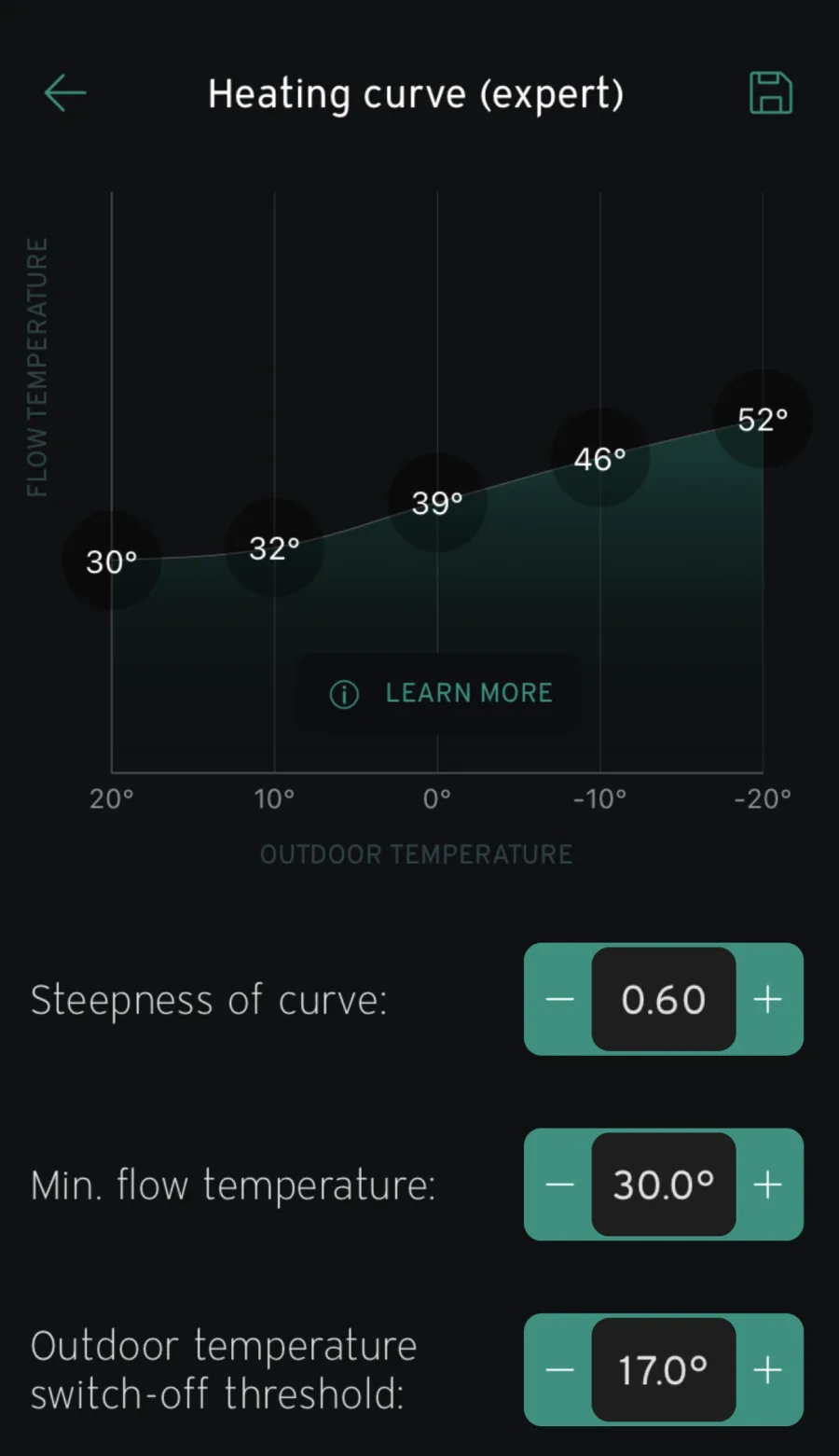
If a separate service manages your heating automatically, check its instructions before changing these settings. Its control strategy can require different values.
Sunshine warming the rooms is useful heat. It's different from sunshine misleading the outdoor sensor. I have customers who open the door from a south-facing conservatory and let that warmth into the house. Large windows and bifolds can make a substantial difference too.
East-facing glass can bring morning gains; west-facing glass can warm rooms later in the day. The outdoor temperature alone doesn't tell the heat pump how much of that heat has reached your living room.
This is when I look at Room Temp Mod on the sensoCOMFORT. Expanded mode uses the indoor temperature and can stop heating the assigned zone once it is warm enough.
It needs the controller assigned to the correct zone and positioned in a representative room. If the controller is in the sunniest room, stopping heating there could leave other rooms cold. Ask your installer to check the assignment and location if you aren't sure.
Expanded doesn't cool the house or stop the sun coming through the windows. Underfloor heating in a warm screed also keeps releasing stored heat after the heating demand stops. There is still some planning involved.
If the whole house overheats while the heating is running, including on dull days without useful solar gain, the heating-water temperature may be too high. That calls for a look at the heating curve, rather than repeatedly lowering the outdoor switch-off threshold.
Weather compensation should supply enough heat to match what the building is losing. Getting the flow temperature right matters for both comfort and heat pump efficiency.
Only one room too warm? Start with that room. Radiator sizing, balancing, its heat loss and the way it is used can all affect the result. Changing the whole-house curve changes the heating for everyone else too.
I have customers who want 23°C indoors and others who don't want more than 18°C. Neither is a fault code. The design and settings need to serve the people living there.
The same outdoor temperature doesn't guarantee the same indoor conditions. Sun angle, cloud, wind, overnight temperatures and stored warmth in the building all matter. Insulation and draughts affect how quickly the house loses the heat it already has.
A night near freezing followed by an 18°C afternoon doesn't instantly warm every wall and floor. One house will be comfortable with heating stopped; another will still need some warmth.
That is why I suggest testing in autumn and spring, when the outdoor temperature regularly crosses the threshold. A test made while it stays at 5°C won't tell you whether 16°C or 17°C is the better cut-off.
Cold-weather schedules are a separate decision. My guide to heat pumps in winter explains longer heating periods and small setbacks.
| What you notice | What to check |
|---|---|
| Cold house, high outdoor reading when the sensor is sunny | Sensor position. Arrange relocation if needed; a threshold change is only temporary help. |
| Cold in mild weather, but comfortable in cold weather | Whether OT switch-off is stopping heating too early. Check the schedule and minimum flow temperature as part of the diagnosis. |
| Sunny rooms too warm | Solar gain, Room Temp Mod and whether the controller represents the zone. |
| Whole house too warm while heating, even without sunshine | Heating curve, room target and actual flow temperature. |
| Upstairs hot, downstairs cold | Emitter sizing, water flow and balancing. Don't assume the outdoor cut-off is responsible. |
If your home is already comfortable, leave it alone. Adjusting settings is optional; being warm is the point.
I start at 17°C after checking that the outdoor sensor gives a sensible reading. In autumn and spring, adjust by 1°C and observe for two days. The right result depends on your home and preferred indoor temperature.
Either could suit a particular home, but neither is a universal answer. A lower threshold stops heating at a lower outdoor temperature. Judge the setting by comfort and a reliable sensor reading, rather than copying another household.
An outdoor reading above the switch-off threshold is one possible cause. Check the displayed temperature, threshold and heating schedule. If those look right, ask your installer to check the wider controls and system.
It can help temporarily if the false reading is stopping heating, but it does not correct the reading or its effect on the heating curve. Arrange for your installer to check and correct the sensor position.
No. This setting controls space heating. The cylinder has separate hot-water settings and a separate demand.
It can help where solar gain or another heat source warms the rooms. The indoor controller must represent the zone and be assigned correctly. It is not a replacement for checking the heating curve or an unsuitable sensor position.
For more practical advice, browse the heat pump guides. Product details checked against Vaillant's linked documentation on 13 October 2026; recommended starting values reflect my own approach.