
Heat Pumps
Heat Pumps Are Not the Problem: Poor Design Is
A practical look at why some heat pumps underperform and why the design usually deserves more blame than the technology.
Published by Vector Heat
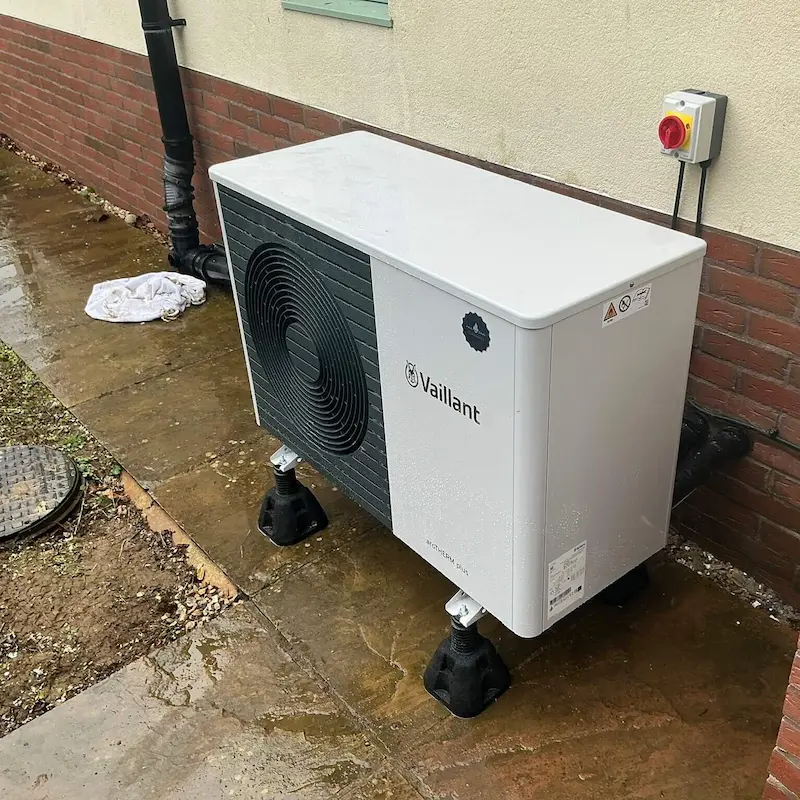
Heat pumps get blamed for a lot. Some of it is fair. Some of it is like blaming the oven because someone guessed the recipe and forgot the timer.
The uncomfortable truth is that many heat pump problems come from poor design, rushed installation, weak commissioning or unrealistic expectations. The technology itself can work brilliantly when the system around it is right.
Quick answer: why do some heat pumps go wrong?
Heat pumps often go wrong when installers skip proper design. Common problems include incorrect heat loss, undersized radiators, poor pipework, unnecessary buffers, high flow temperatures, weak controls and poor handover.
The heat pump gets the bad reputation. The design caused the problem.
Heat pumps need a different approach
A boiler can cover a lot of rough design because it has brute force.
A heat pump is less forgiving. It wants lower flow temperatures, steady operation and a system designed around the building.
That is not a weakness. It is just how efficient heating works.
The common design mistakes
The mistakes we see include:
- heat loss guessed or rushed
- heat pump oversized or undersized
- radiators not checked properly
- pipework too small
- buffer tanks added without good reason
- pumps fighting each other
- controls set badly
- hot water underthought
- customer not shown how to run the system
Any one of those can hurt performance. Several together can make the whole system miserable.
A real example
We have been called to heat pump systems installed by others where the home was cold, the unit ran constantly and the customer had lost confidence.
In one case, the system had undersized primary pipework, a buffer tank causing distortion in the heating system and two circulating pumps working against each other. The heat pump was not the villain. The system around it was.
Once the design problems were corrected, the home became warm, quiet and easier to run.
Why low flow temperature matters
Heat pump efficiency depends heavily on flow temperature.
Lower flow temperatures mean better efficiency. To run lower temperatures, the home needs suitable emitters and a proper heat loss calculation.
If the radiators are too small, the system may need higher temperatures to keep rooms warm. That makes the heat pump work harder.
Trust matters, but proof matters more
Installer badges help, but the conversation matters too.
Ask the installer:
- what is the room-by-room heat loss?
- what flow temperature is the system designed for?
- do any radiators need upgrading?
- how will hot water work?
- where will the outdoor unit go?
- how will the system be commissioned?
- what should I expect after installation?
If the answer is fog, be careful.
The problem is usually visible before installation
We are not interested in pretending heat pumps are perfect for every home. If you are still deciding between technologies, our heat pump vs gas boiler comparison shows where property suitability, running cost and disruption change the answer.
We are interested in designing them properly when they are the right choice.
Poor outcomes are usually design, installation, expectation or building suitability problems. That is good news, because those are things competent installers can assess before the job starts.
FAQs about heat pump problems
Are heat pumps unreliable?
Heat pumps can be reliable when designed, installed and maintained properly. Many complaints come from system design and commissioning issues rather than the technology itself.
Why is my heat pump not heating the house?
Possible causes include incorrect sizing, high heat loss, undersized radiators, poor pipework, control settings, low flow rate or commissioning problems.
Can a bad heat pump installation be fixed?
Often, yes. The first step is diagnosing the system properly: heat loss, emitters, pipework, flow rates, controls and hot water.
Should a heat pump run all the time?
Heat pumps often run more steadily than boilers. That can be normal. Constant running with poor comfort or high bills needs investigation.
How do I avoid a poor heat pump installation?
Choose an installer who can explain the heat loss, emitter design, flow temperature, hot water plan, controls and commissioning process.
Heat pump running badly?
Cold rooms, noise and high electricity use need evidence, not a replacement guess. We can check flow rates, emitters, controls, pipework and commissioning.
Speak to Vector Heat