
Heat pumps
Air Source Heat Pump Servicing: What It Should Include
A heat pump service is not just brushing leaves off the outdoor unit. If that was the whole job, I would bring a broom and charge less.
Insight by Vector Heat
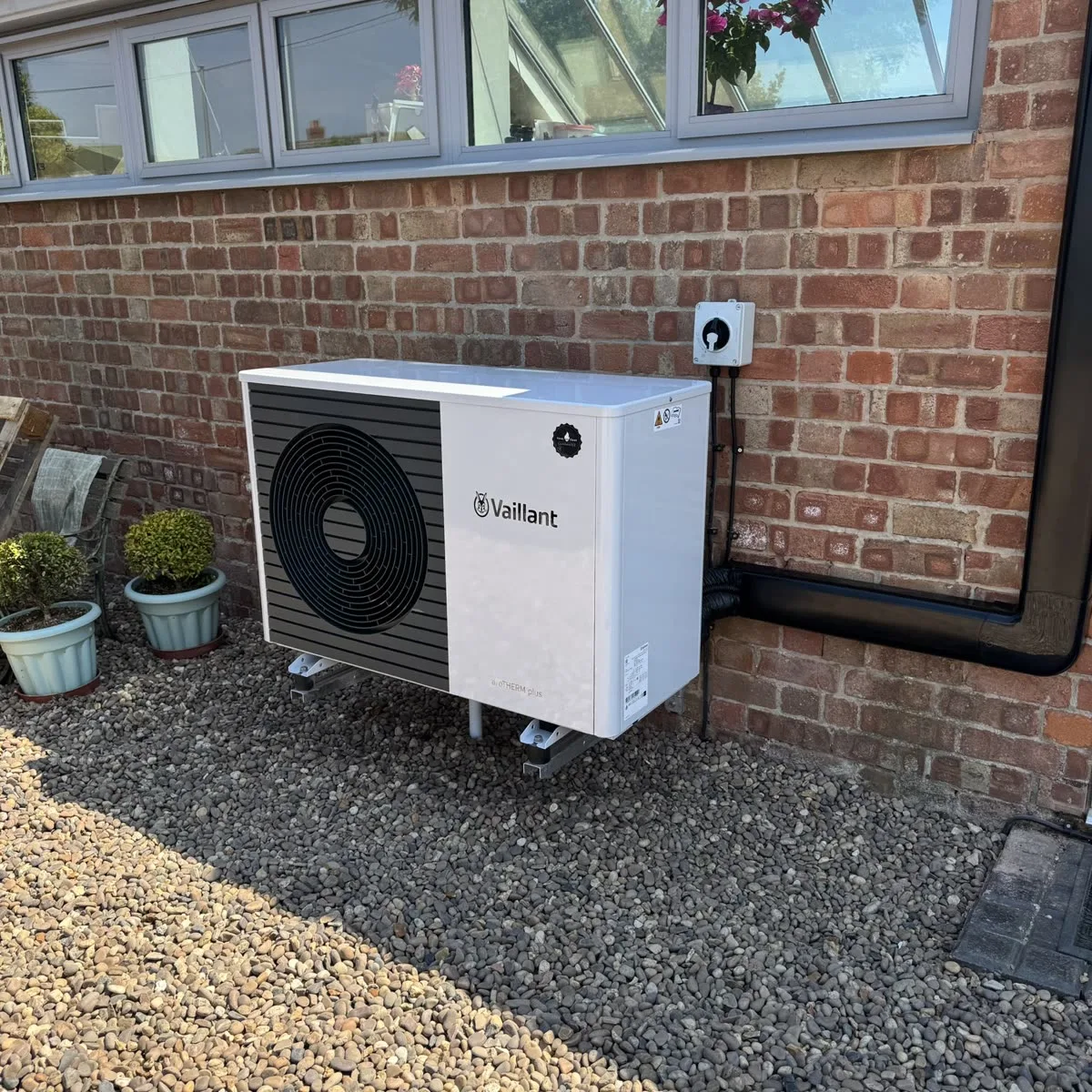
The short answer is this: air source heat pump servicing should check the whole system, not just the outdoor box.
At Vector Heat, a standard heat pump service currently costs £240 and is booked for 1.5 hours. That covers far more than a quick wipe, a nod and "all seems fine". Those three words have carried some very average heating advice over the years.
A good service checks physical condition, water quality, filters, strainers, pressure, controls, fault history, the cylinder where fitted, the outdoor unit, and how the system is actually running. That last bit matters most. A heat pump can still be working while quietly costing more than it should, which is a bit sneaky.
Key points
Heating experience
Liam has worked in plumbing and heating for 23 years.
Surveying systems
Fourteen years surveying and specifying heating work.
Heating jobs
Experience built across more than 5,000 completed jobs.
1.5-hour service
Our current standard price and booked visit time.
On this page: quick answer service checklist running data cost FAQs
Quick Version
Air source heat pump servicing is part maintenance and part performance check.
The maintenance side looks at the physical system: outdoor unit, filters, strainers, pressure, water quality, insulation, cylinder, expansion vessels, controls and visible condition.
The performance side looks at how the system is behaving: running data, fault codes, flow temperatures, previous notes and any trends since the last visit.
That is the difference between servicing a heat pump and admiring a heat pump. Admiring is cheaper, but it has limited warranty value.
Why Air Source Heat Pump Servicing Matters
A heat pump is not just an appliance. It is a refrigeration circuit, water system, outdoor unit, controls setup, hot water system and heating design all trying to work together.
When the system is looked after, it should stay efficient, comfortable and reliable. When it is ignored, small problems can drift along quietly until the weather turns cold and the house starts asking difficult questions.
Most manufacturers recommend annual servicing, and service records can matter for warranty. That is the formal reason. The practical reason is better: a proper service helps spot issues before they become expensive or annoying.
In my view, the service should not be treated as a box-ticking visit. It should be a chance to ask, "Is this system still running the way it was designed to run?"
What Should a Heat Pump Service Include?
Different manufacturers have different requirements, so there is no single magic checklist that applies perfectly to every heat pump. Heating systems are not identical. Sadly, neither are airing cupboards, which is why engineers sometimes look older than they claim.
As a broad guide, a proper service can include:
| Area checked | What we are looking for | Why it matters |
|---|---|---|
| Outdoor unit | Airflow, leaves, debris, coil condition, fan condition, drainage and casing condition. | Restricted airflow makes the heat pump work harder. |
| Water side | Filters, strainers, system pressure, water quality and visible leaks. | Poor flow or dirty water can hurt performance and reliability. |
| Controls | Settings, schedules, fault history, weather compensation and running information. | Controls can quietly make a good system expensive to run. |
| Hot water | Cylinder, immersion backup, sensors, controls, valves and recovery behaviour. | Most heat pump homes rely on stored hot water. |
| Emitters | Radiators, underfloor heating, manifolds, zones and thermostats. | The heat pump can only perform if the heating system can move heat into the rooms. |
| Records | Commissioning notes, previous service notes, fault notes and customer feedback. | Trends are easier to spot when you know what changed. |
The list is useful, but the judgement matters more. A checklist without judgement is just a list.
The Two Sides of a Good Heat Pump Service
1. Physical checks
This is the part people expect. We check the outdoor unit, visible pipework, filters, strainers, system pressure, expansion vessels, water quality, insulation, valves, cylinder and controls.
If the outdoor coil is full of leaves, the insulation is split, the pressure is low or a strainer is restricted, those are physical issues. They need finding before they start ruining the system.
2. Performance checks
This is the part that is easier to miss and, in my opinion, often more important.
A good service should look at running information, fault history, previous notes and customer feedback. It should ask whether the system is still behaving like the system that was commissioned, or whether it has wandered off and started making its own decisions.
That is where you start to spot trends. A pressure change, repeated fault code, higher flow temperature or new customer observation can all be clues. Heat pumps are very good at leaving breadcrumbs. Unfortunately, the breadcrumbs are often hidden in controller menus designed by people who have never met a homeowner.
Outdoor Unit Cleaning
The outdoor unit needs airflow. That sounds obvious until you see one surrounded by leaves, weeds, garden furniture, snow, cobwebs, grass cuttings and the general outdoors doing outdoors things.
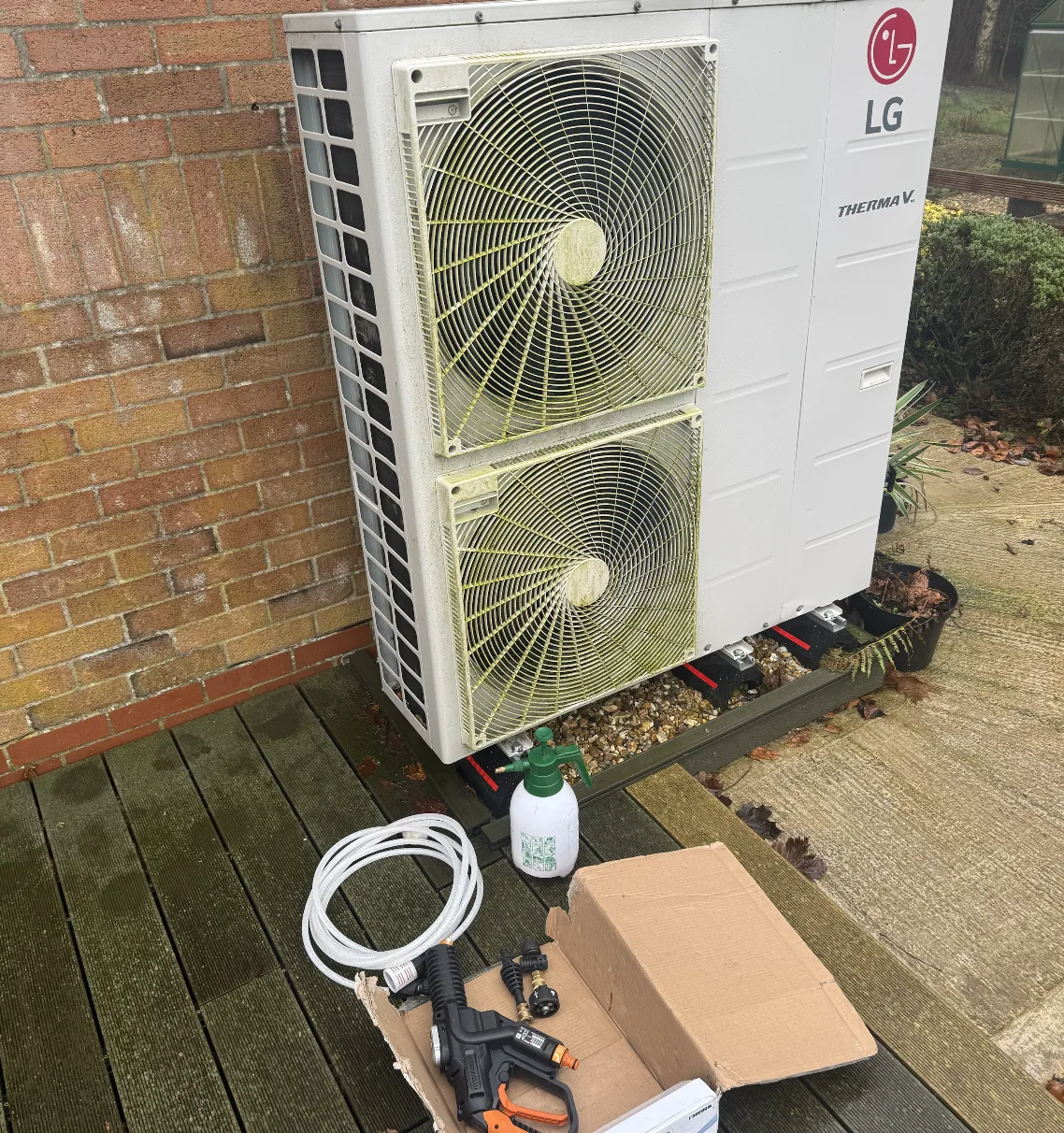
During a service, we check the outdoor unit condition and clean it where suitable. That can include removing leaves and debris, checking the fan area and cleaning the coil carefully with appropriate condenser cleaner and a battery-powered pressure washer.
Clean airflow helps the heat pump exchange heat properly. If the unit cannot breathe, it has to work harder. Nobody performs their best while wearing a hedge as a scarf.
The video below is a good example of why servicing is more than cleaning. It shows the outdoor unit being cleaned with condenser cleaner and a battery pressure washer, but it also shows disconnected thermistors being found and attached back onto the pipe, glycol being checked, and a fault being found on an underfloor heating manifold. That is the service doing its job: clean what needs cleaning, then keep looking for the thing that explains how the system is really behaving.
Filters, Strainers and Water Quality
The water side of a heat pump system matters. A heat pump needs decent circulation, clean water and stable pressure. If filters or strainers restrict flow, the system can fault, run poorly or struggle to move heat.
Water quality also matters because corrosion, debris and poor system condition do not politely stay away from expensive parts. They travel. They visit. They make themselves at home.
During servicing, we can check filters, strainers, pressure and water condition. Older systems may also need glycol checks where relevant. The exact checks depend on the installation, the manufacturer and what has been fitted.
Controls, Running Data and Trends
This is the bit I care about most.
A heat pump service should not just ask, "Is the heat pump on?" That only tells you it has electricity. The useful bit is what the running data says.
It should ask better questions:
- What flow temperatures is the system using?
- Are there fault codes or repeated warnings?
- Has the system pressure changed?
- Has the customer noticed anything different?
- Are the weather compensation settings still sensible?
- Do the current readings match the commissioning notes?
- Do previous service notes show a pattern?
Trends matter because a system can drift. It can still do the basic job, but use more electricity than it should. It can still look fine outside while quietly making the bill worse.
That is why previous notes and commissioning records are useful. One reading tells you what is happening today. A record tells you whether today is different from last time.
Why One-Size-Fits-All Servicing Does Not Work
Every heat pump system is different.
The outdoor unit brand matters. The cylinder matters. The emitters matter. The water volume, pipework, controls, underfloor heating, radiators, glycol, buffer or volumiser and customer usage all matter.
That is why manufacturer instructions and service history should guide the visit. A service should fit the actual system in front of the engineer, not an imaginary perfect one from a training slide.
Cylinder, Expansion Vessels and Hot Water
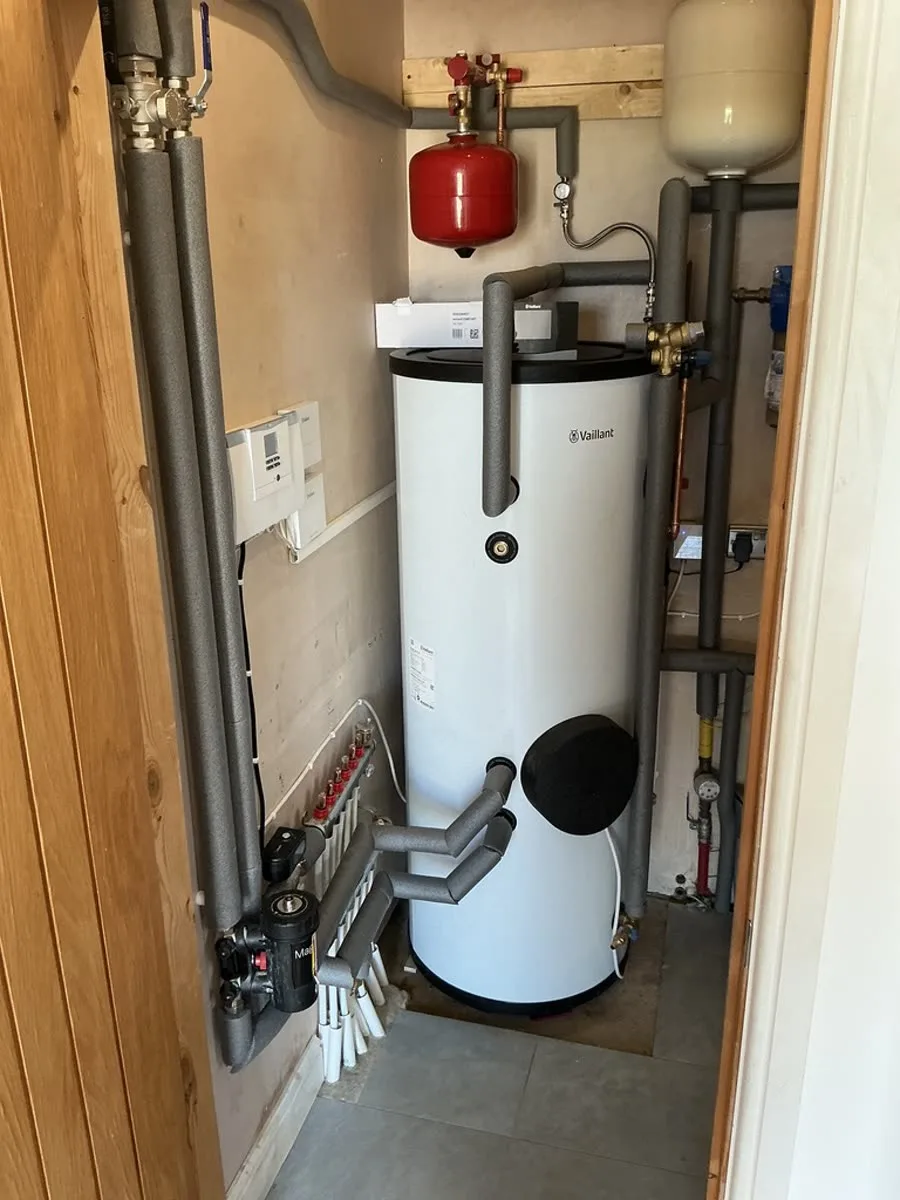
Most air source heat pump systems use a cylinder. That means the cylinder cupboard is part of the story.
If the system has an unvented cylinder, the cylinder needs proper checks. We also look at hot water controls, associated equipment and expansion vessels where fitted.
Expansion vessels are quiet little components until they are not. If the pressure is wrong, the system can start doing odd things. And odd things in heating rarely improve by being ignored.
If the cylinder has started behaving differently, that belongs in the service conversation. It might be controls, a sensor, a valve, usage, settings or something else, but it is useful information.
Radiators, Underfloor Heating and Emitters
The outdoor unit does not heat your rooms by positive thinking. It needs the heating system to move heat through radiators, underfloor circuits, valves, pumps, manifolds and controls.
If one area is not behaving, the cause may not be the heat pump. It could be a radiator valve, underfloor heating zone, thermostat, pump setting, flow issue or design problem showing itself.
That is why customer feedback matters. The person living with the system often spots the change before the controller explains the reason.
What Can Homeowners Check Between Services?
You cannot do a professional heat pump service yourself, but you can notice useful things. That is genuinely helpful. Engineers like useful clues.
Between services, you can:
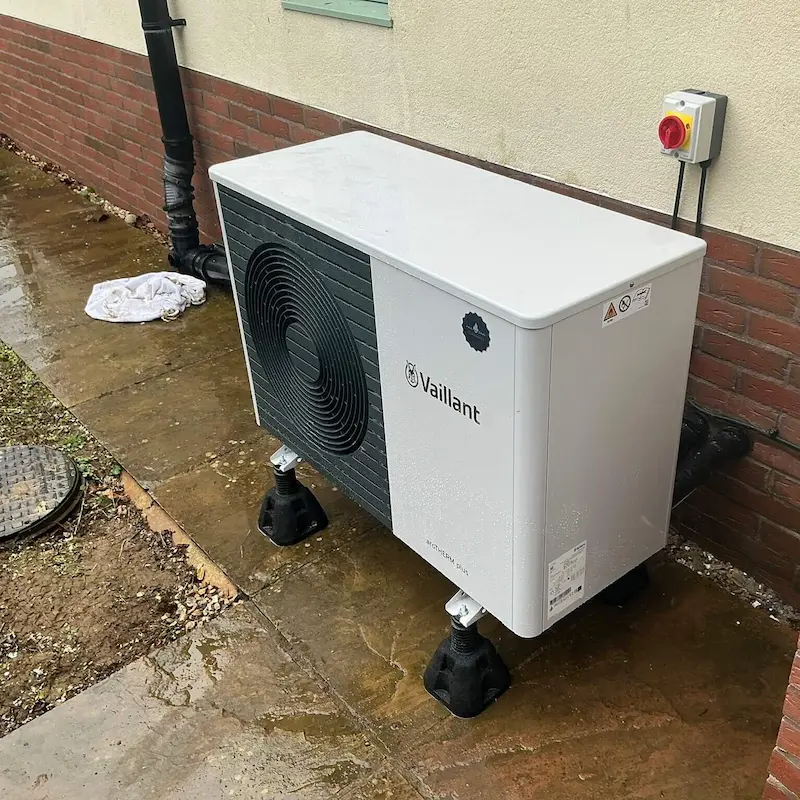
- keep the outdoor unit clear of leaves, weeds and stored items
- listen for new noises
- note fault codes or warnings
- watch for pressure loss if your system has a visible gauge
- tell us if the system has started behaving differently
- avoid changing advanced settings randomly
That last one is important. Heat pump controls are not a casino. If you press enough buttons, you will not eventually win a cheaper bill.
How Much Does Air Source Heat Pump Servicing Cost?
At Vector Heat, a standard air source heat pump service is currently £240.
The visit is booked for 1.5 hours. If the service reveals repair work, parts, major fault finding or extra work outside the normal service, that is quoted separately.
Across the UK, many published service prices sit somewhere around £150 to £300 depending on the company, brand, area and what is included. Manufacturer service plans can be higher, especially when they include cylinder checks, support packages, priority callouts or cover.
This is why comparing prices without comparing the service is a bit like comparing sandwiches by weight. Technically possible, but it misses some fairly important fillings.
What to Tell Us Before the Service
If your heat pump has been showing faults, making noises, losing pressure or behaving differently, tell us before the visit.
That gives us a better chance of arriving prepared. We may be able to bring likely parts, allow more time or at least know what we are walking into. Surprise is lovely for birthdays. Less lovely when the surprise is a fault code.
Useful things to send before the service:
- photos of fault codes or warning screens
- photos of the outdoor unit
- a short note about what has changed
- whether the issue affects heating, hot water performance or both
- whether the system has lost pressure
- whether anything was altered recently
Does Refrigerant Need Topping Up?
Be careful with this one. Heat pumps are not like a car screenwash bottle where you casually top something up because it looks low.
If refrigerant-side work is needed, it must be handled by appropriately qualified people. Many normal domestic heat pump services are more about inspection, performance, water side, controls and system checks than casually adding refrigerant.
If a system is losing refrigerant, that suggests a fault that needs diagnosing. "Just top it up" is not a proper plan. It is a phrase that sounds useful while quietly avoiding the important question: where did it go?
When Should You Book a Service Early?
Do not wait for the annual date if something has changed.
Book help sooner if:
- the system has fault codes
- the outdoor unit is unusually noisy
- the home no longer feels like it did
- cylinder performance has changed
- pressure keeps dropping
- electricity use has changed without an obvious reason
- the outdoor unit is repeatedly icing in a way that looks abnormal (take photos and check with us first, though)
- external pipe insulation is damaged
Some defrosting is expected in cold damp weather. The point is not to panic every time the heat pump steams like a kettle. The point is to notice patterns that are different from usual.
FAQ
How much does air source heat pump servicing cost?
Vector Heat currently charges £240 for a standard air source heat pump service. The visit is booked for 1.5 hours, with any extra repair work quoted separately.
How often should an air source heat pump be serviced?
Most air source heat pumps should be serviced once a year. Always check the manufacturer warranty and installation paperwork because different systems can have different requirements.
What does a heat pump service include?
A proper heat pump service should include physical checks, water-side checks, outdoor unit inspection, controls, fault history, running data, cylinder checks where fitted and customer feedback about how the system has behaved.
Can I service my heat pump myself?
Homeowners can keep the outdoor unit clear and report changes, but professional servicing should be done by a competent heat pump engineer. Refrigerant-side work must be handled by appropriately qualified people.
Does a heat pump service include cleaning the outdoor unit?
It should include checking the outdoor unit and cleaning it where suitable. Leaves, debris, blocked airflow and damaged insulation can all affect performance.
Does the hot water cylinder need servicing too?
Yes. Where an unvented cylinder is fitted, it should be checked as part of the whole system service. The cylinder, expansion vessels, hot water controls and safety equipment are part of the heating system.
Does servicing protect the warranty?
Annual servicing is commonly required by manufacturer warranty or guarantee conditions. Keep the service records and check the terms for your model.
Why does running data matter?
Running data helps show whether the system is performing as intended. Flow temperatures, fault history, pressure changes and previous notes can reveal trends before they become obvious breakdowns.
Need a Heat Pump Service?
Vector Heat services air source heat pumps across Lincoln and Lincolnshire. We check the outdoor unit, water side, controls, cylinder where fitted, running information and the real behaviour of the system.
If something has changed, tell us before the visit. Fault codes, pressure loss, noises and odd behaviour are all useful clues. Heating systems love clues. They are less keen on being ignored.
Request heat pump servicing in Lincoln