
Boilers
Boiler Installation FAQ: Costs, Surveys and Choosing a Boiler
Straight answers to the boiler installation questions homeowners ask before replacing a boiler.
Published by Vector Heat
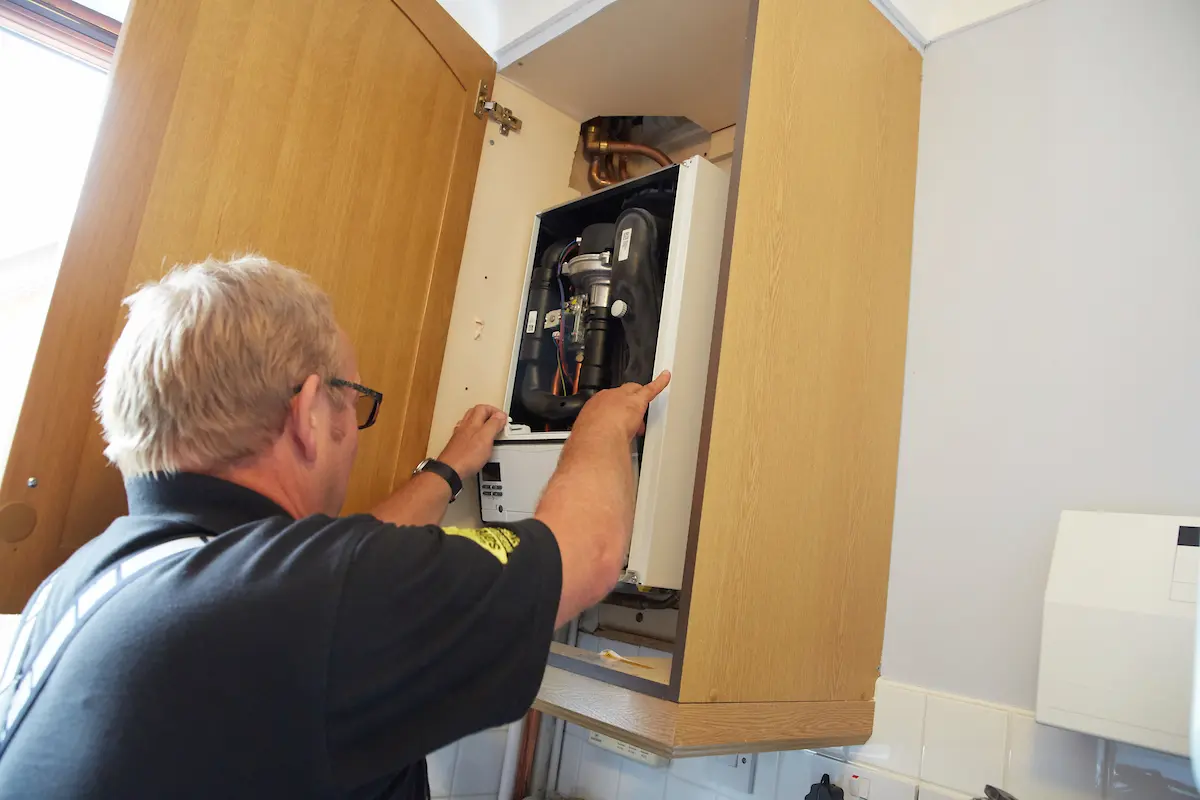
Boiler installation questions usually start with price. Fair enough. Boilers are not exactly impulse buys. The flue regulations alone see to that.
But the better questions are about the survey, hot water, controls, system condition and what is actually included in the quote.
Quick answer: what should I know before boiler installation?
Before boiler installation, you should know which boiler type suits the property, what hot water performance you need, whether the heating system needs cleaning, what controls are included, how long the work will take, how the warranty is registered and what the final price includes.
The boiler model is only part of the decision.
How much does boiler installation cost?
Boiler installation cost depends on the boiler type, model, controls, flue route, pipework, system condition and whether the job is a simple swap or a conversion.
As a broad guide from our existing boiler work, every boiler installation varies depending on the system requirements and specification. Pricing can range from around £1,800 to £10,000. A typical domestic combination boiler swap is often around £2,000 to £2,700.
That range is wide because the jobs are different.
A straightforward combi swap is not the same as removing old tanks, converting pipework, moving a boiler, changing the hot water setup and cleaning a dirty heating system.
Why do I need a boiler survey?
A survey helps confirm whether you really need a new boiler and what type of system is right for the property.
Sometimes a heating problem can be fixed without replacing the boiler. Sometimes the boiler does need replacing, but the hot water setup or controls need more thought than the old system suggests.
A proper survey should look at:
- boiler location
- flue position
- gas supply
- condensate route
- heating system condition
- hot water demand
- radiators and controls
- access and disruption
- customer budget and expectations
This is where the installer should protect the customer from hidden extras and bad assumptions.
Should I choose a combi boiler, system boiler or regular boiler?
The right boiler type depends mainly on hot water usage.
If you first need to work out what is already installed, our boiler type identification guide explains what the cylinder, loft tanks, pressure gauge and expansion vessel can tell you.
A combi boiler is often best value for lower to moderate hot water use. It takes up less space and heats hot water only when you use it.
A system boiler is a modern version of a regular boiler, they both serve the hot water cylinder. A system boiler is more compact, with the pump built in and no need for a header tank,
A regular boiler is usually a legacy-system choice. It can make sense as a like-for-like replacement in some existing homes, but it is rarely the first choice for a fresh modern design.
What does a professional boiler installation include?
A professional boiler installation should include:
- survey and quotation
- clear job schedule
- safe removal of old equipment
- installation by a Gas Safe registered engineer
- suitable controls
- system cleaning or flushing where needed
- filter and inhibitor where appropriate
- commissioning
- warranty registration
- Building Regulations notification
- handover and customer explanation
The Gas Safe Register is the place to check whether a business or engineer is registered for gas work.
Do I need a heating flush with a new boiler?
It depends on the condition and history of the heating system. A new boiler should be protected from dirty water, but that does not mean every installation needs a full power flush.
Systems that have been open vented, or have had a central heating header tank, are more likely to need a thorough clean because oxygen can keep entering the system and feeding corrosion. That corrosion can leave magnetite and sludge in the radiators and pipework.
If a system has always been sealed and the water condition is good, it may only need a water change, rinse or lighter clean. The right method should come from the survey, water condition and any signs of old corrosion.
Do I need a magnetic filter?
We fit a magnetic filter on all boiler installations because it helps meet Building Regulations and manufacturer guarantee requirements.
The technical need depends on the system. A clean, modern sealed system is less likely to build up sludge, while a system with a header-tank history, open-vent history or signs of magnetite benefits more from the extra protection. A filter is not a cure for dirty water, leaks or a system that keeps needing to be topped up.
How long does boiler installation take?
A straightforward boiler replacement normally takes one full day. Our guide to boiler replacement times explains the uncommon three-quarter-day swap, two-day system conversions and three-day back-boiler jobs.
Converting from a regular boiler to a combi, moving the boiler, changing controls, removing tanks, upgrading pipework or cleaning a dirty system can all add time.
The survey should set expectations before the work starts.
What should I ask before accepting a boiler quote?
Ask:
- why this boiler type is being recommended
- what hot water performance to expect
- whether controls are included
- whether the heating system will be cleaned
- whether a filter and inhibitor are included
- what happens to the old boiler and tanks
- what warranty is included
- who registers the warranty and Building Regulations notification
- what is not included
If the quote is only a boiler model and a price, it is missing the interesting bits.
FAQs about boiler installation
Is the cheapest boiler quote a good idea?
Not always. A cheap quote may be fine, but only if it includes the right system design, controls, flushing, protection, commissioning and warranty registration. Cheap can become expensive if important work is left out.
Can I replace a regular boiler with a combi?
Often yes, but it depends on hot water usage, mains flow, system condition, pipework and conversion cost. A combi is not automatically best just because it saves space.
Will a new boiler save money?
It can, especially if the old boiler is inefficient and the new system is set up with better controls and sensible flow temperatures. Running cost still depends on the home, heating habits and fuel prices.
Do I need new radiators with a boiler installation?
Not always. Radiators may be fine, but a survey should check whether they suit the system and whether any rooms have comfort problems.
Should I service my new boiler every year?
Yes. Annual servicing supports safety, reliability and warranty conditions.
Planning a boiler replacement?
Send us your postcode and photos of the existing boiler, cylinder and controls. We can tell you what the survey needs to confirm before anyone prices the replacement.
Speak to Vector Heat