Heat pumps
Air Source Heat Pumps: How Are They More Than 100% Efficient?
They transfer heat. That changes how we need to think about efficiency.
Published
“400% efficient” sounds like someone has got a bit carried away with the brochure.
An air source heat pump can deliver more heat than the electricity it uses because it transfers heat from outside. It is not creating energy from nothing. Electricity powers the equipment that collects and moves heat into your home.
For every 1kWh of electricity it uses, a heat pump operating at 400% efficiency delivers 4kWh of heat. That is the important comparison. It does not mean every heat pump achieves that result all the time, or that your heating bill will automatically be a quarter of your old one.
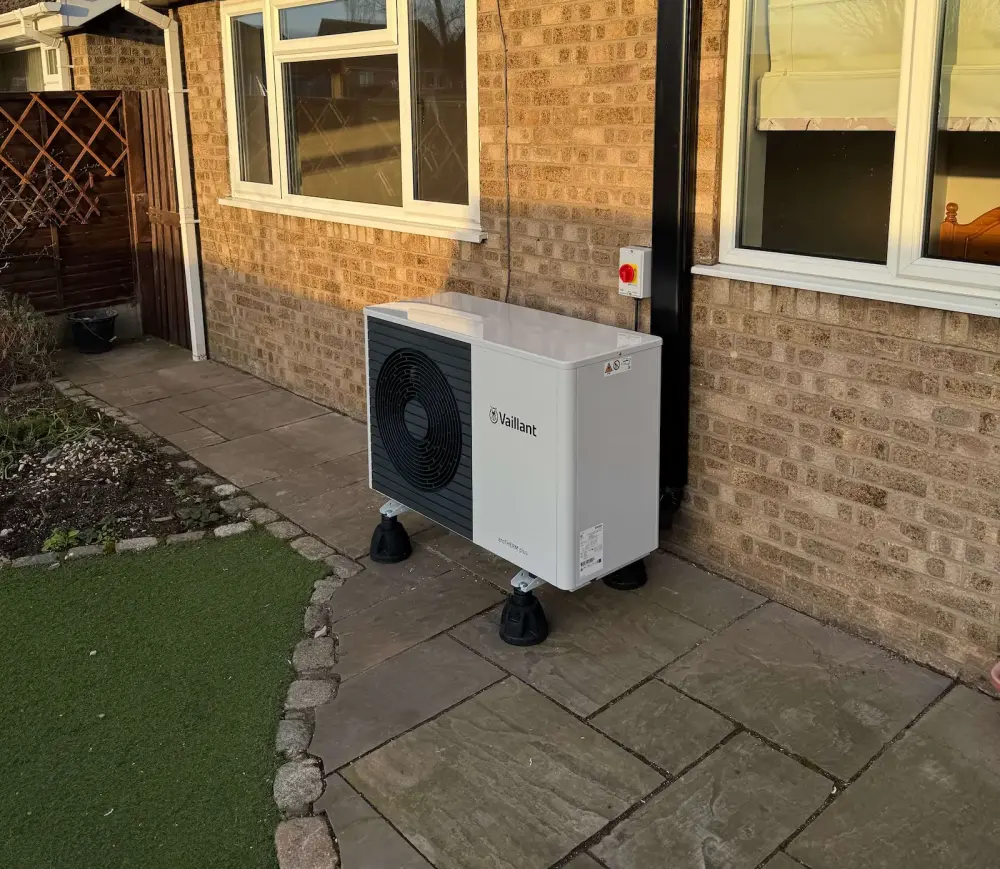
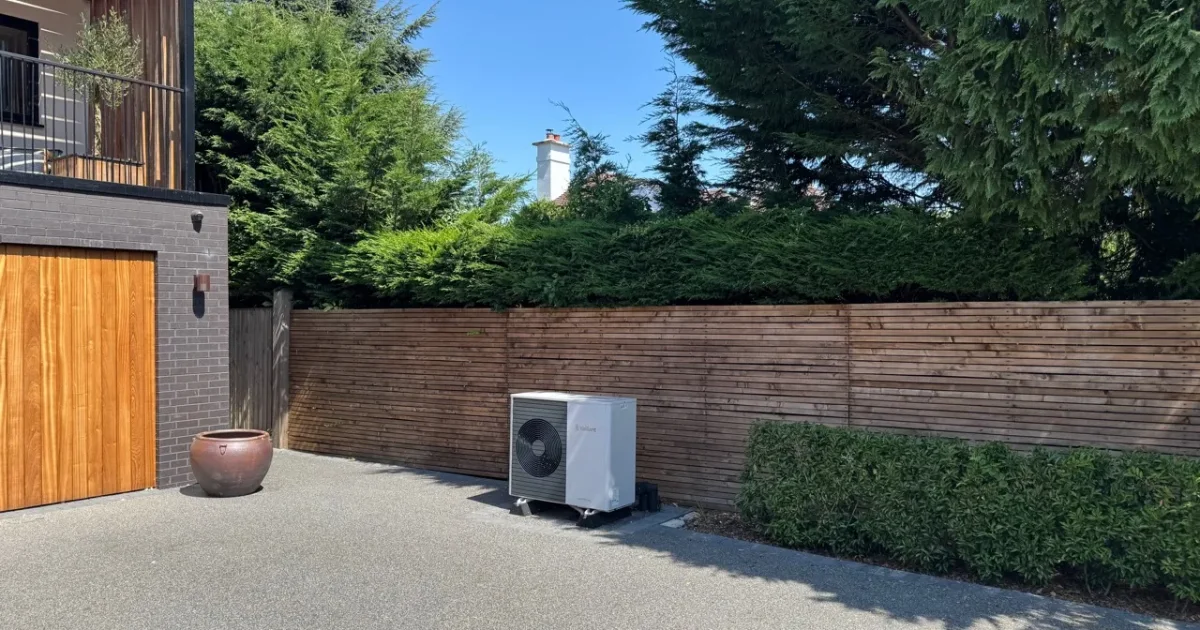
- ASHP means air source heat pump. It takes heat from outdoor air. The air-to-water systems we install transfer that heat into water for heating and a hot-water cylinder.
- 400% means four units of heat for one unit of electricity. Engineers also describe that as a coefficient of performance, or COP, of 4.
- Cold air still contains heat. Zero degrees is water's freezing point, not the point where heat disappears.
- Energy savings and bill savings are different. The electricity price and the system's actual performance both matter.
What does 400% efficiency actually mean?
It means the heat delivered is four times the electricity used over the same period. A heat pump using 1kWh of electricity at a COP of 4 delivers 4kWh of heat. We are comparing useful heat with purchased electricity, not claiming to create four times as much energy from nowhere.
A direct electric heater converts electricity into heat. A heat pump uses electricity to operate a compressor, fan, circulation pump and controls, transferring heat that is already in the environment.
That is why the output can be larger than the electrical input. The outside air is part of the process. Nothing is being created from nothing.
| Heating method | Electricity used | Heat delivered |
|---|---|---|
| Direct electric heater | 1kWh | About 1kWh |
| Heat pump operating at COP 3 | 1kWh | 3kWh |
| Heat pump operating at COP 4 | 1kWh | 4kWh |
These heat-pump rows explain the ratios, not a guaranteed result from a particular installation. A kWh is a unit of energy, not a temperature or the size of the heat pump.
The Energy Saving Trust's explanation of heat-pump efficiency uses the same comparison between electricity consumed and heat delivered.
Your freezer is already doing this
People often describe a heat pump to me as a fridge in reverse. I prefer the freezer example, and I do not call it “in reverse”. It is the same process of transferring heat.
Your freezer takes heat from its cold interior and releases it into the room. That is why the outside of a freezer can feel warm while the food inside is frozen. The refrigerant circuit moves the heat; the electricity runs the equipment.
For home heating, we want the warm side of that process. An air source heat pump collects heat outdoors and transfers it into the heating system. It does not need to blow the outside air into your rooms.
But where is the heat when it is freezing outside?
Zero degrees is important to water. It is not a cut-off point for heat.
Refrigerant can boil at very low temperatures, and its boiling temperature changes with pressure. Inside the outdoor coil, it can be colder than the air around it. Heat moves from that air into the refrigerant, even when the air feels freezing to us.
The compressor then raises the refrigerant's pressure and temperature so it can give up heat to the heating water. My guide to how a heat pump works follows the full cycle and explains the components.
Why the same heat pump is not always 400% efficient
Flow temperature makes a big difference. This is the temperature of the water leaving the heat pump for the heating system. Lower flow temperature improves efficiency, provided the radiators or underfloor heating can still deliver the heat each room needs.
Asking for hotter water means a bigger temperature lift. Outdoor temperature matters too: the lift is harder when the source is colder. So the same equipment can perform differently on a mild afternoon and a cold winter morning.
For a simple illustration, delivering 12kWh of heat at COP 4 takes 3kWh of electricity. At COP 2 it takes 6kWh. That is twice the electricity for the same heat, but it is not a claim that a particular temperature adjustment will halve your efficiency.
Hot water is a different job from heating the rooms
Heating a cylinder commonly requires hotter flow water than warming the house. That can mean lower efficiency during a hot-water cycle. How much this affects the annual result depends on household hot-water use and how much heat the building needs.
I would not judge the whole installation from one cylinder reheat or a screenshot taken on a particularly good afternoon. Ask whether the quoted figure covers heating only or heating and hot water, and whether it is an estimate, a measured result or a product test.
The COP, SCOP and seasonal efficiency guide explains those differences. For this article, the main point is simple: 400% is a useful way to explain performance, not a promise attached to every hour of operation.
Does using a quarter of the energy mean a quarter of the bill?
Not when the fuels have different prices. A heat pump operating at 400% uses a quarter as much purchased energy as direct electric heating for the same heat. Against gas, we also need to allow for the boiler's efficiency and the price difference between electricity and gas.
I have used 25p per kWh for electricity and 8p per kWh for gas in this example. These are illustrative prices, not today's tariff quotes.
| Heating and assumption | Energy bought | Your cost |
|---|---|---|
| Direct electric heating at 100% | 12kWh electricity at 25p | £3.00 |
| Heat pump at 400% | 3kWh electricity at 25p | £0.75 |
| Gas boiler at 90% | About 13.33kWh gas at 8p | About £1.07 |
The heat pump uses much less purchased energy in this example. Its cost is a quarter of the direct-electric cost, but not a quarter of the gas cost.
Change the tariff or the system's efficiency and the costs change. Standing charges are separate, as are installation and maintenance costs. My heat-pump running costs comparison gives the fuller workings and dated price examples.
Good efficiency starts with the installation design
For me, heat pumps are the best way to heat homes because they can deliver the warmth we need using much less purchased energy. But choosing a heat pump is not the same as getting a well-designed heating system.
I look at heat loss, radiator sizes and the proposed flow temperature. Then I want to know what changes will make a worthwhile difference.
That does not mean chasing the lowest possible flow temperature regardless of cost. If three carefully chosen radiator replacements give a good result, there needs to be a worthwhile benefit to spending thousands replacing the rest.
This is what interests me about Heat Geek Zero Disrupt: finding a good balance between efficiency, installation cost and the work needed in the home. We still have to deliver the agreed comfort. A cold bedroom is not a saving.
| Ask for | Why it matters |
|---|---|
| Heat-loss calculation | The design should be based on what the house and its rooms need. |
| Design flow temperature | This helps explain the radiator choices and expected efficiency. |
| An efficiency estimate for your system | Check what it includes, particularly hot water and backup heating. |
| The benefit of proposed radiator changes | Compare the extra installation cost with comfort and running-cost improvements. |
| Any performance guarantee and its terms | Know what is promised, how it is measured and what happens if it falls short. |
Why I recommend the Heat Geek installer network
My recommendation is to start with Heat Geek. Its approach puts heating design and system performance at the centre of the installation. That is more useful to me than choosing equipment from a headline efficiency number.
For installations covered by the scheme, the Heat Geek Guarantee backs the agreed overall heating and hot-water efficiency, subject to the installation terms. It is not a blanket promise that every system will achieve 400%, or that it will achieve its seasonal figure every minute.
Ask to see the guarantee for your proposal. My explanation of what a Heat Geek is covers the training and how we work through the network.
Air source heat pumps: quick answers
What does ASHP stand for?
ASHP stands for air source heat pump. It collects heat from outdoor air. An air-to-water system supplies heating water for radiators, underfloor heating and a suitable hot-water cylinder; an air-to-air system heats room air directly.
Can a heat pump really be more than 100% efficient?
Yes, when comparing heat delivered with electricity used. A heat pump transfers heat from outside rather than converting all its electricity directly into heat. The extra heat already exists in the environment; no energy is being created from nothing.
What does COP 4 mean?
It means four units of heat delivered for each unit of electricity used at the stated operating conditions. It is often described as 400% efficiency. It does not automatically describe the result across a whole year.
Do air source heat pumps work below freezing?
Yes. Their refrigerant can absorb heat from air below zero degrees. The model and heating system still need to be designed for the property's cold-weather heat demand, including the effect of defrosting.
Will my heating bill be a quarter of my gas bill?
Not simply because the heat pump achieves 400% efficiency. Electricity and gas have different unit prices, and the boiler also has an efficiency to account for. Compare the cost of delivering the same amount of useful heat.
Do I need all new radiators to get good efficiency?
No. Assess the existing radiators against the room heat losses and proposed water temperatures. Some systems need a few useful changes; others need more. The benefit of further replacements should justify their cost and disruption.
Want to know what an ASHP could achieve in your home?
At Vector Heat, we survey, design and install heat-pump systems across Lincolnshire. I can explain the proposed water temperature, which radiators need attention and the expected performance before you decide.