
Older homes & rural properties · Lincolnshire
Heat pumps for old houses
Yes, they can work, and we can prove it. With proper design and planning, heat pumps can keep old homes cosy in the middle of winter.
- 23 years in plumbing and heating
- 5000+ surveys of boilers and heat pumps
- 6 years designing and installing heat pumps
The house matters more than its age
Do heat pumps work in old houses?
Yes. An old house can be heated by an air source heat pump, including one with solid walls or high heat losses. The important part is designing heating for every room. I look at how much heat each room needs and go from there.
I don't need new build insulation levels. We can look at what insulation improvements are practical, and how you want to live in it.
At Vector Heat, we help homeowners across Lincolnshire plan that properly. Whether you are replacing an oil boiler in a farmhouse or updating a house that has been extended several times, we look at the building and heating together.
The Electrification of Heat demonstration project successfully installed heat pumps in all the property types it tested. That supports assessing the individual home, rather than ruling it out by age.
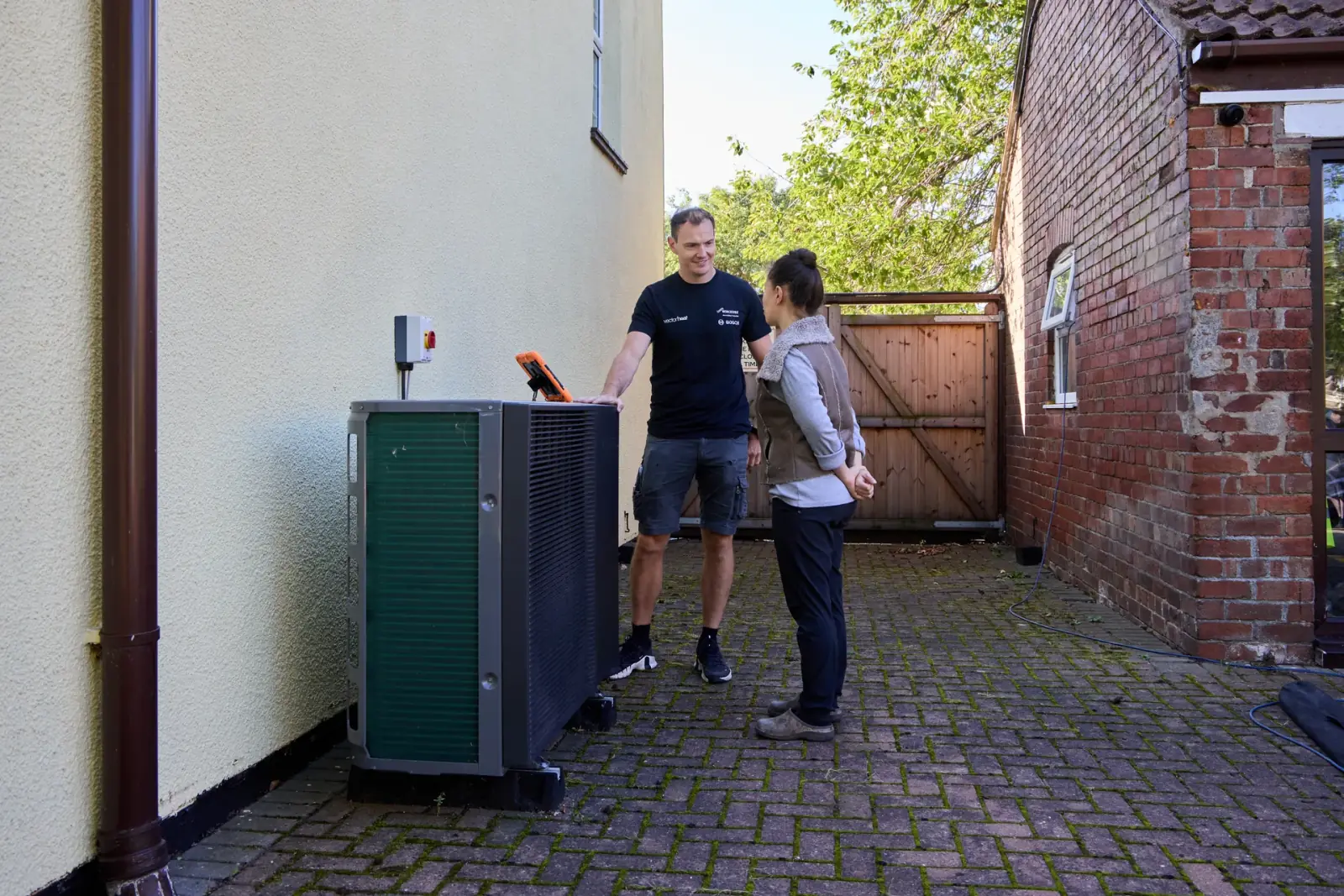
Neil's experience
An 1850s house. Two winters with a heat pump.
Half of Neil's house dates from the 1850s and half from the 1980s, with different levels of insulation. He wanted to know whether a heat pump would keep it warm.
He describes the heat-loss survey, checks around windows and doors, and changes to some radiators and pipework. After the installation, we helped get the settings right.
By the time of filming, he had lived with the heat pump through two winters, including days he recalls reaching -5°C. He talks about coming downstairs early in the morning to a warm house.
That is his experience, not a promise that every old house needs the same work. Your survey establishes what yours needs.
Fabric first, where it makes sense
Keep more heat in before paying to make more
If there is a sensible opportunity to add insulation or reduce draughts, I would explore it alongside the heat pump. Suitable insulation is a long-term investment: you pay for it once and it can keep reducing heat loss for decades.
That might mean improving accessible loft insulation, draught-proofing windows and doors, or insulating a floor while it is already being renovated. It does not automatically mean stripping every wall back or replacing original windows.
We can help you understand which changes make a useful difference to the heating design. Reducing heat loss can mean smaller radiators, a lower flow temperature or a smaller heat pump. If fabric work is planned, it needs to be included in the calculations and the installation sequence.
Fabric first is a sensible approach, not a rule that you must fully insulate the house before considering a heat pump. If improvements are limited, we assess the heat demand that remains and explain the cost and practical implications.
Older buildings need appropriate materials and ventilation. Do not seal required vents or combustion-air supplies. Damp, solid-wall insulation and historic fabric may need a conservation or retrofit specialist; Historic England's draught-proofing advice explains why ventilation still matters.
Design for the heat the house actually needs
High heat loss needs a proper heating plan
The right heat-pump output
We calculate room-by-room heat loss, then check the heat pump's available output at the outdoor and water temperatures in the design. We do not choose it by matching the old boiler's kW rating.
Enough radiator output
Radiators give out less heat when the water is cooler. Each room needs enough emitter area to deliver its required heat at the chosen flow temperature. Some existing radiators can stay; others may need changing.
Pipework and controls
The pipes must carry the required flow, and the controls must suit the house and your routine. Old systems often have several generations of alterations, so we check what is there before deciding what stays.
A heat pump can supply a high-demand home, but it cannot stop heat escaping through the building. Higher demand means more energy to buy. We discuss likely running costs using your proposed system and tariff, not a blanket savings claim.
These checks are part of our heat-pump design and installation service. Being able to heat the house and making the project worthwhile are both important.
From the first conversation to a warm home
How we plan your installation
Understand the house
Tell us about the current heating, rooms that struggle, occupancy and any renovation plans. We discuss your priorities and arrange the appropriate survey.
Assess fabric and heating together
We calculate heat losses, check radiators and pipework, and consider worthwhile fabric improvements. If work will happen in stages, we look at the current and proposed building.
Agree the design, cost and disruption
The proposal sets out the heat pump, emitters, hot water and associated work. We discuss outdoor positioning, cylinder space, electrical requirements and access before installation.
Install, commission and explain
We install the agreed system, check flows and settings, and show you how to use the heating and hot water. We explain aftercare and ongoing heat-pump servicing too.
What will need changing, and what will it cost?
The answer is not the same for every old house. A radiator change and a straightforward cylinder position are a different job from lifting floors, replacing long pipe runs and finding space for hot water.
You do not need underfloor heating to have a heat pump. If the floors are coming up anyway, we can assess wet underfloor heating as part of the renovation. Otherwise, properly sized radiators may be the more practical choice.
We explain the heating work, the fabric improvements worth considering and what each part would achieve. Building and insulation work is agreed with the appropriate trades. You can then decide what to do now and what to leave for later.
If the disruption, budget or remaining heat demand makes the proposed project a poor fit, we will say so. The aim is a plan you are comfortable with before anyone starts removing the boiler.
Talk through your optionsQuestions about older homes
Can a heat pump work in a draughty, poorly insulated house?
Yes, a system can be designed for high heat losses. The heat pump, emitters and pipework must meet that demand at the design conditions. But avoidable heat loss still costs money, so we assess worthwhile insulation and draught reduction as part of the plan.
Will all my radiators need replacing?
No. We check each radiator against its room's heat loss at the proposed water temperature. Some can stay, some may need increasing, and reducing the room's heat loss can change the answer. We explain the replacements the calculations call for.
Do I need underfloor heating for a heat pump?
No. Correctly sized radiators work with heat pumps. Underfloor heating can be a good option when floors are already being renovated, but it is not a condition of installing a heat pump in an old house.
Can you help if insulation work will happen later?
Yes. Tell us what you intend to change and when. We can assess the present heat loss and the expected demand after the agreed improvements, then plan the heating and work sequence around both. We cannot size solely for insulation that may never be fitted.
What if my house is listed or in a conservation area?
That does not automatically rule out a heat pump. The outdoor position, pipe routes and alterations to historic fabric need particular care. Check the necessary planning and listed-building consents with the local authority before work starts; specialist conservation advice may also be needed.
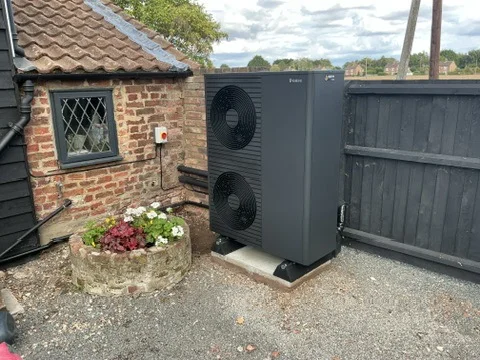
Lincolnshire heat-pump projects
Let's look at what your house needs
Send your postcode, the approximate age of the house, your current heating and any improvements you are considering. You do not need to have chosen a heat pump or worked out every insulation detail first.
I can help you plan the heating and the fabric-first options together.
Liam Conneely, Vector Heat
Based in Lincoln, working across Lincolnshire. We will confirm coverage and availability for your property before arranging the next step.